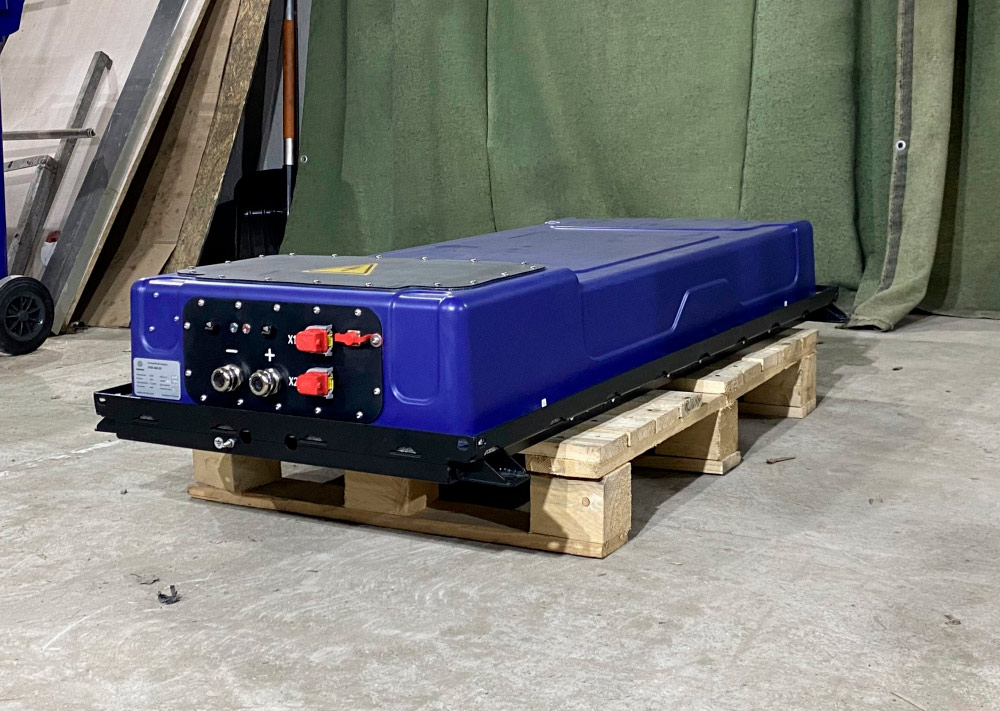
Microcontrollers developed by the Voronezh-based Scientific Research Institute of Electronic Technology (NIIET, part of the Element Group, MOEX: ELMT) have been implemented in the first Russian battery module from the HVBS line. The HVBS-360-50 module was created by Rubruks, a Skolkovo participant (VEB.RF Group). The device, based on sodium-ion battery cells, is designed for use in transport, energy, and industrial equipment.
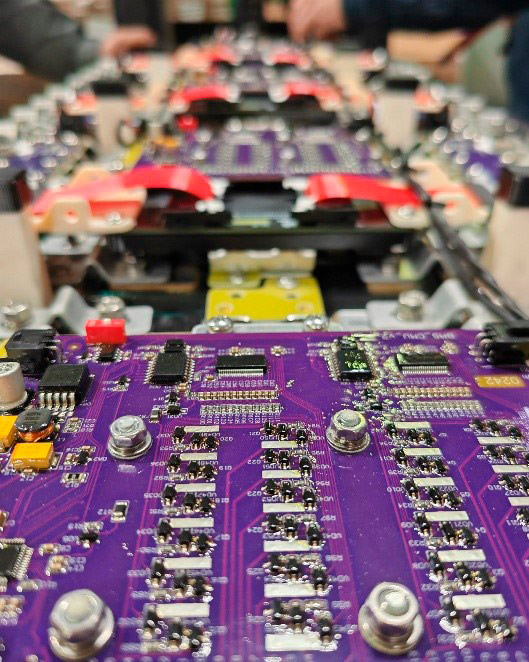
The key advantage of this solution is the combination of next-generation sodium-ion elements and domestic electronics. The Battery Management System (BMS) utilizes compact 32-bit K1946VK035 microcontrollers manufactured by NIIET. This device features specialized peripherals for electric drive control. In terms of performance, it surpasses not only similar Russian microchips but also foreign counterparts. Furthermore, the product is officially listed in the Registry of Russian Industrial Products (RF PP No. 719).
Sodium-ion batteries maintain high capacity at temperatures around -30 degrees Celsius, whereas most lithium-ion batteries significantly lose efficiency. Additionally, modern Na-ion elements withstand thousands of cycles without substantial degradation and are less prone to thermal runaway.
The application of a Russian microcontroller strengthens supply chain resilience and expands import substitution capabilities—especially amidst global market instability and lithium shortages.
In 2024, Rubruks also used NIIET-developed microcontrollers. Specifically, integrated circuits were designed to create power management devices for electric transport, such as traction inverters.