Any customer can have a car painted any color that he wants, so long as it is black” — this famous quote by Henry Ford regarding the Model T could hardly serve as a benchmark for customer relations today, even in microelectronics — a field primarily focused on the mass production of standardized components.
The K1921VG015 microcontroller, developed by NIIET (part of the Element Group, MOEX:ELMT), has already gained significant popularity among developers of various equipment, particularly for smart resource metering devices. One of the key advantages of this ultra-low-power 32-bit microcontroller, based on the open RISC-V architecture, is its extensive set of interfaces, ADC (Analog-to-Digital Converter), and DAC (Digital-to-Analog Converter) blocks. These features make it highly attractive for use in data acquisition and processing hardware, as well as in control systems.
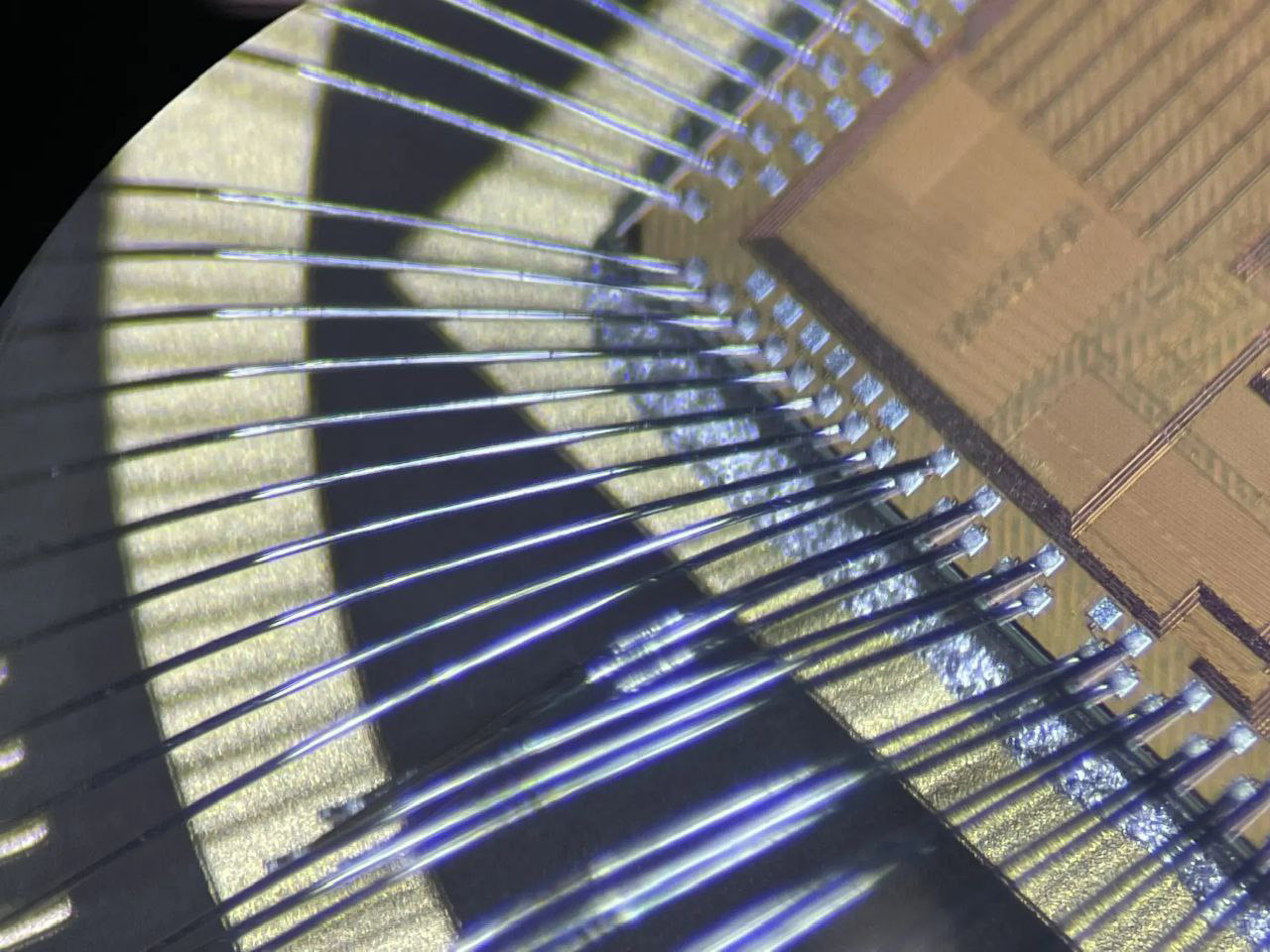
At the same time, the die-form version of this IC — the K1921VG01N — can offer even greater capabilities. Specifically, the ΣΔ-ADCs (sigma-delta analog-to-digital converters) integrated into the microcontroller are differential; however, only their non-inverting inputs are routed to the K1921VG015 package. This restricts their use to common-mode signal conversion only—a limitation caused by the restricted pin count of the LQFP-100 package.
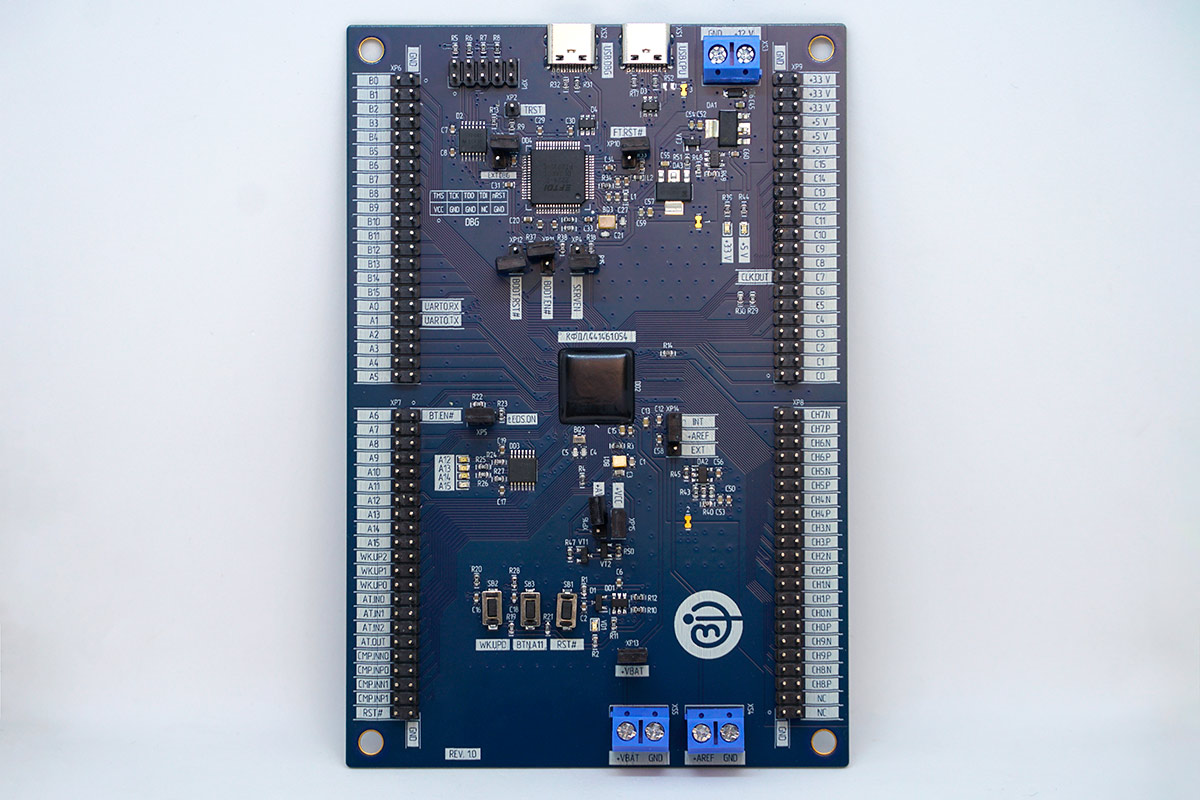
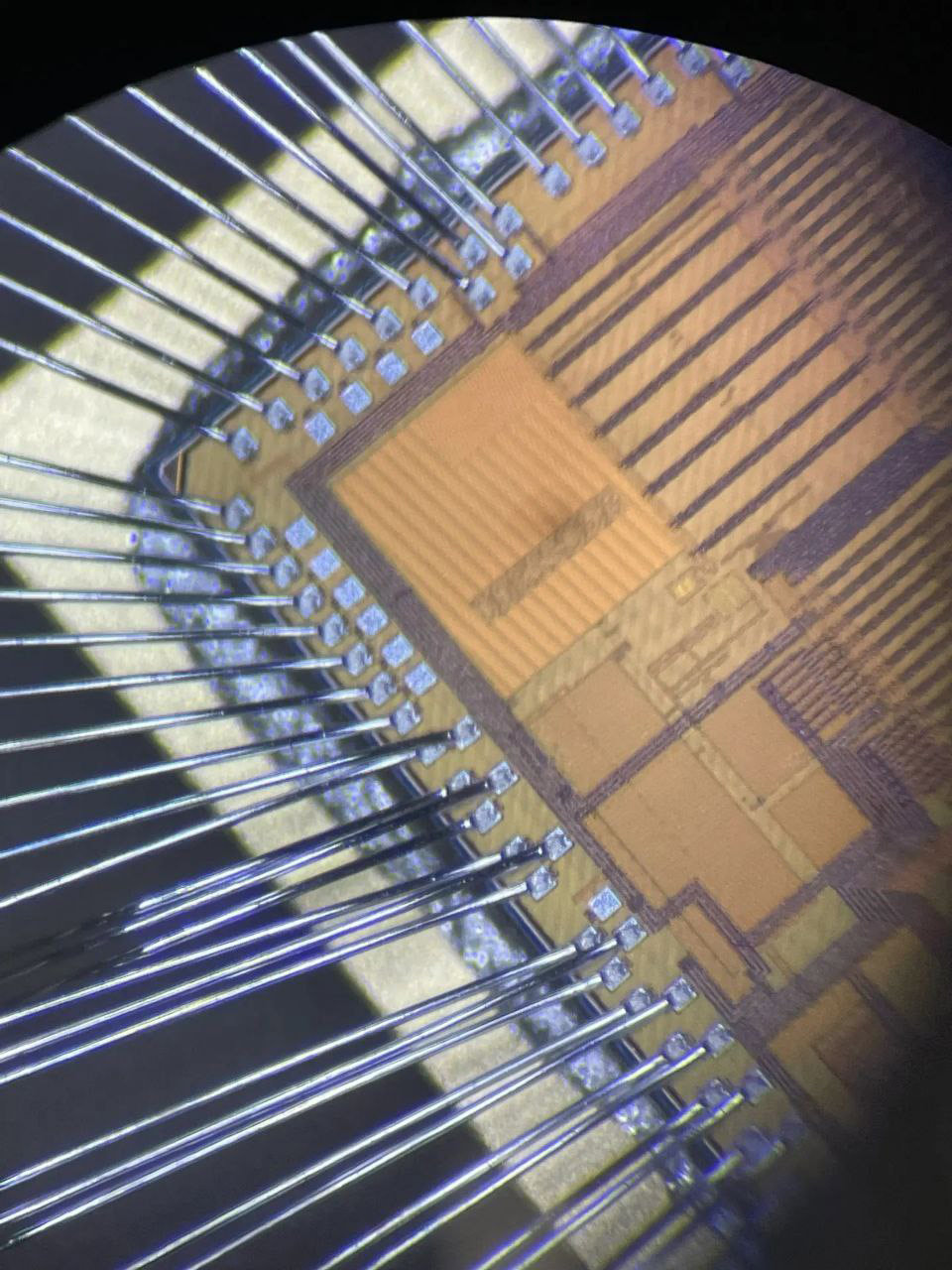
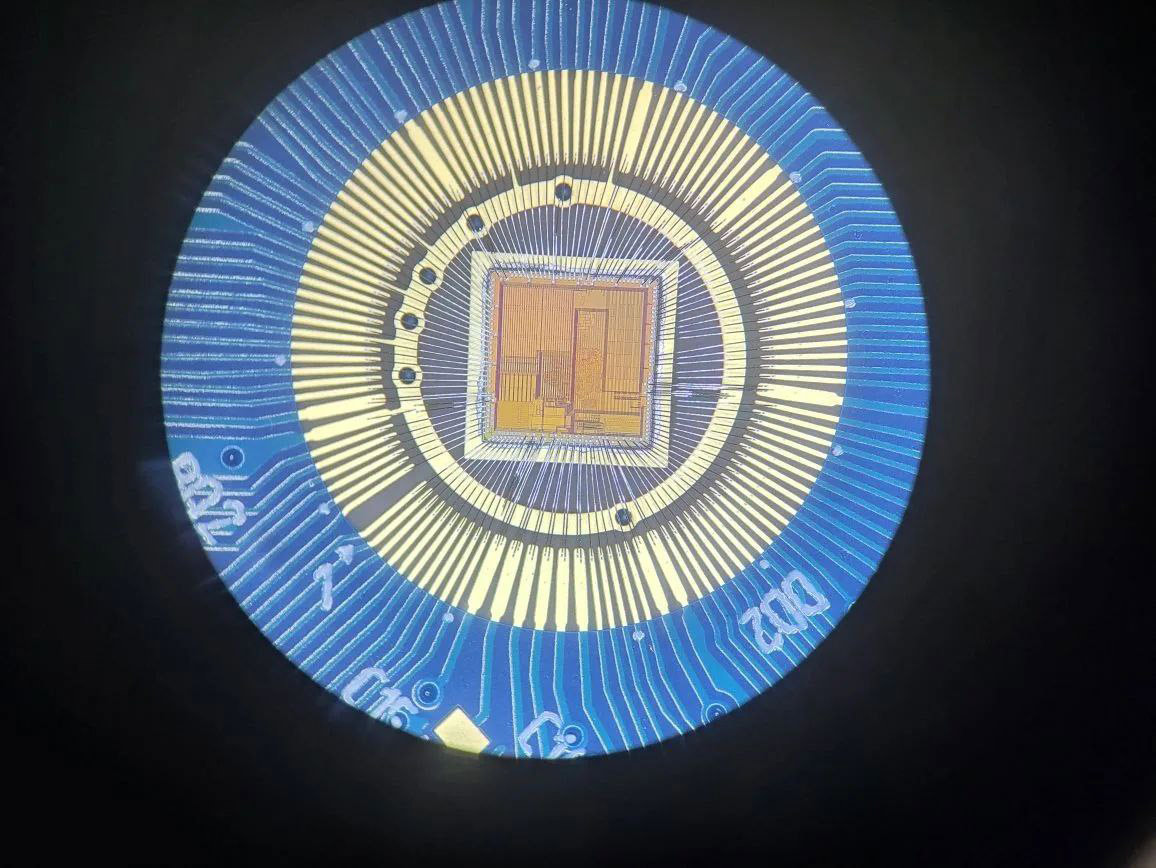
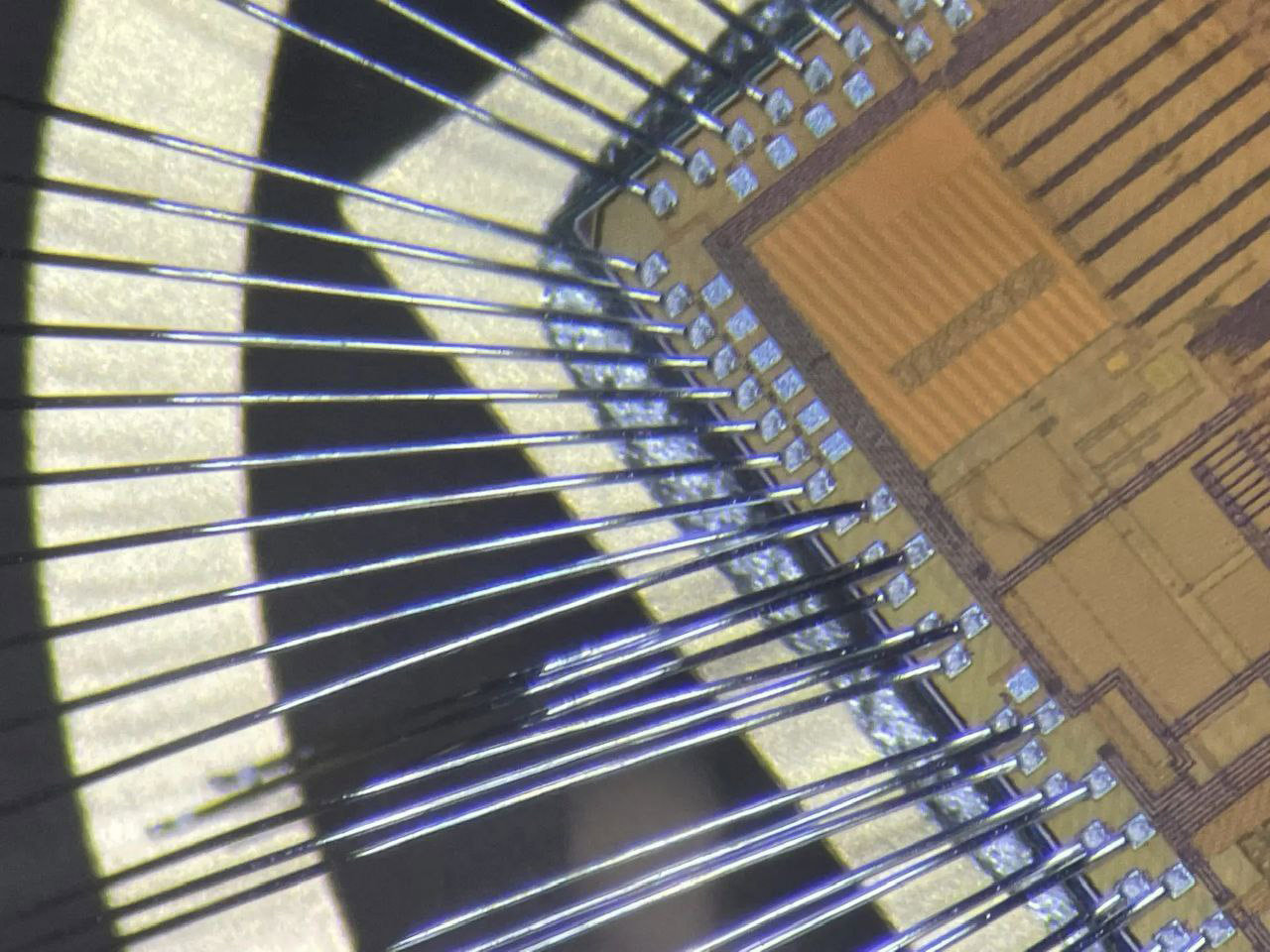
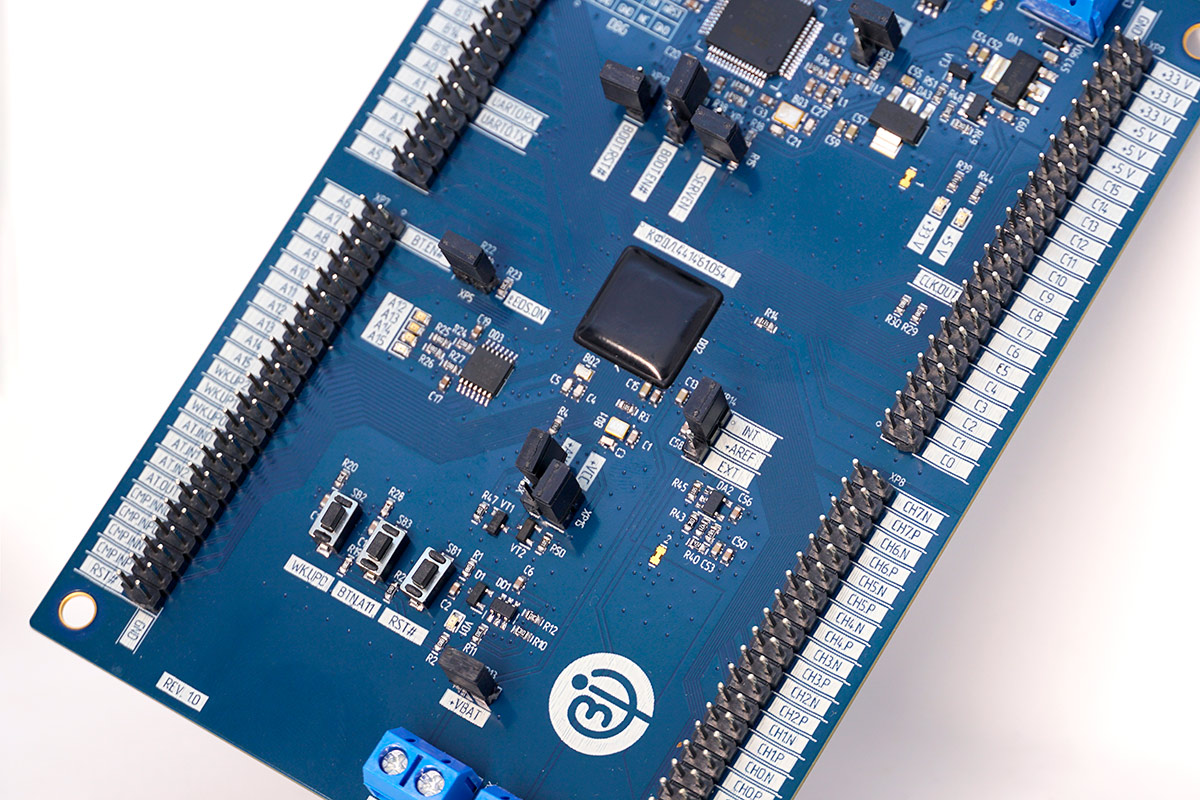
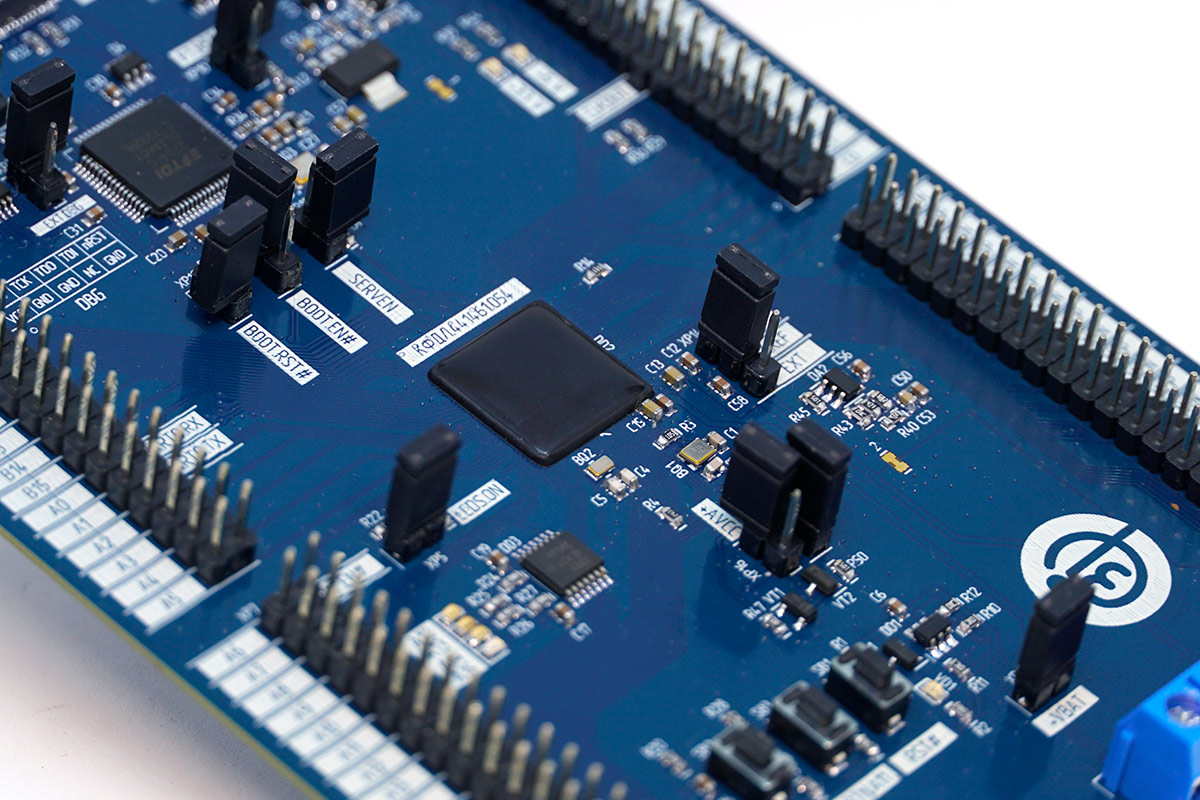
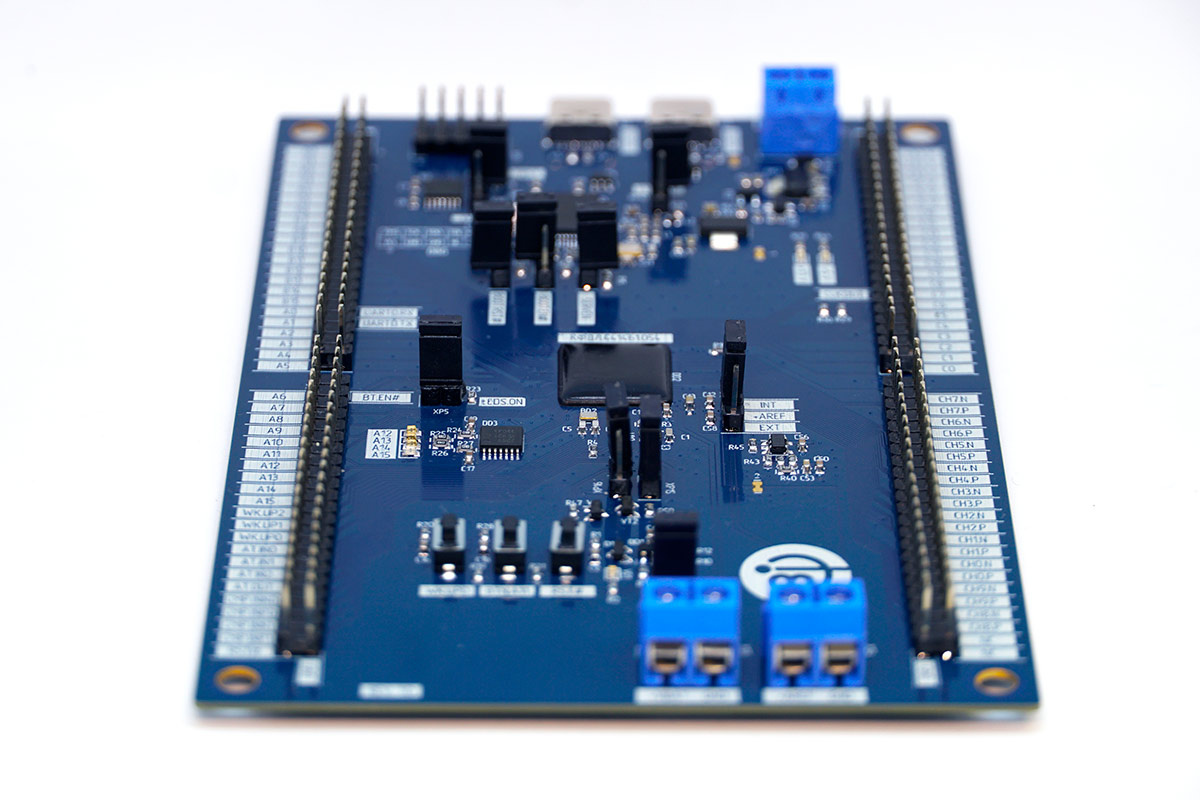
Energomera, a prominent Russian developer and manufacturer of metering devices, required the use of ΣΔ-ADCs in differential mode. To provide this capability, JSC NIIET developed a specialized mock-up and debugging board based on the die-form version of the microcontroller. This will allow the customer to refine the circuitry and software of their developing device using the full potential of the microcontroller die. Subsequently, the customer can decide whether to continue using the K1921VG01N die-form IC or—if certain pins of the LQFP-100 package prove unnecessary—to commission a custom pinout version from NIIET, where the required inverting ΣΔ-ADC inputs are routed to the package.”
The second option might surprise Russian consumers of electronic components (ECB), who are often accustomed to the idea that such specialized versions are either impossible or, at the very least, extremely difficult to obtain. However, NIIET offers the capability to manufacture such custom versions. Thanks to the institute’s in-house production facility for assembling ICs in plastic packages, these solutions can be fully justified not only from a technical standpoint but also from an economic perspective.
This example demonstrates that when faced with a non-trivial task, it is highly beneficial to consult with colleagues specializing in the field; the solution may well be right on the surface. In any case, the specialists at the Scientific Research Institute of Electronic Technology (NIIET) are always ready to discuss such challenges and resolve them flexibly and optimally for each specific situation.